Picture it. You are one of the most famous people on Earth, you have just made a home in New York City, and the United States government wants you out. Not because you committed a crime in America. Because of who you were singing to and what you were saying at the microphone.
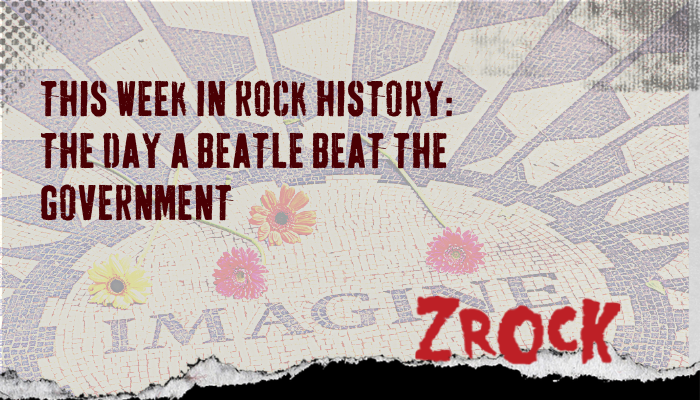
That was John Lennon’s life for four years, and on October 7, 1975, it finally broke his way. The U.S. Court of Appeals for the Second Circuit, in an opinion by Chief Judge Irving Kaufman, threw out the deportation order. The ruling turned on a technicality (Lennon’s 1968 British cannabis conviction, the court held, could not be the basis for exclusion), but the line everybody remembers was about something bigger: “The courts will not condone selective deportation based upon secret political grounds.” Kaufman closed with a gem too: “Lennon’s four-year battle to remain in our country is testimony to his faith in this American dream.” Lennon got his green card in 1976.
Here is the take, and we know some of you will fight us on it: that ruling is the greatest compliment rock and roll ever received. A government does not spend four years chasing a guy with a guitar unless it believes the guitar matters. Lennon was dangerous because the music was dangerous. When was the last time a rock band made anybody in power nervous?
And the timing is almost too perfect. Two days after that ruling, on October 9, 1975, Lennon’s 35th birthday, his son Sean was born. Lennon stepped away from music to raise him. The fight was won, and the fighter went home.
Now round out the week, because October 5 through 11 has been busy for a long time.
October 5, 1973: Elton John releases Goodbye Yellow Brick Road. It went to number one in the U.S., stayed there eight weeks, and has sold over 20 million copies. Yes, it is a double album with a little bloat. No, we are not taking it off the list of the greatest records of the decade.
October 6, 2020: Eddie Van Halen dies at 65. Six years on, the argument has not changed. Nobody has made the guitar sound that joyful since, and a lot of people have tried.
October 10, 1969: King Crimson releases In the Court of the Crimson King. Pete Townshend called it “an uncanny masterpiece,” and critics still credit it with getting the progressive rock ball rolling. It reached number 28 in America. Our hot take: it is more influential than it is listened to, and that is a shame.
October 10, 1977: A firecracker thrown onstage in Philadelphia injures Aerosmith’s Steven Tyler (burned cornea) and Joe Perry (a ruptured artery in his hand). Think about that the next time somebody tells you arena rock was safe.
So here is where we land. Lennon needed a federal appeals court to stay in the country because the government feared what rock could do. Today the genre sells out stadiums and nobody blinks.
Did rock and roll get too comfortable, or did it just win so completely that nobody needs to fight it anymore? Tell us in the comments.

Leave a Reply