If you’ve ever stared at a black t-shirt with a rainbow prism and wondered why it’s the unofficial uniform of every guitar shop on the planet, welcome to the church of Pink Floyd.
At ZRock, we’re all about the legends that didn’t just play loud, but played smart. Pink Floyd didn’t just write songs; they built sonic cathedrals. For those who think they’re just “that band your uncle likes,” here is the crash course on the masters of the psychedelic universe.
The Madcap Beginnings (The 60s)
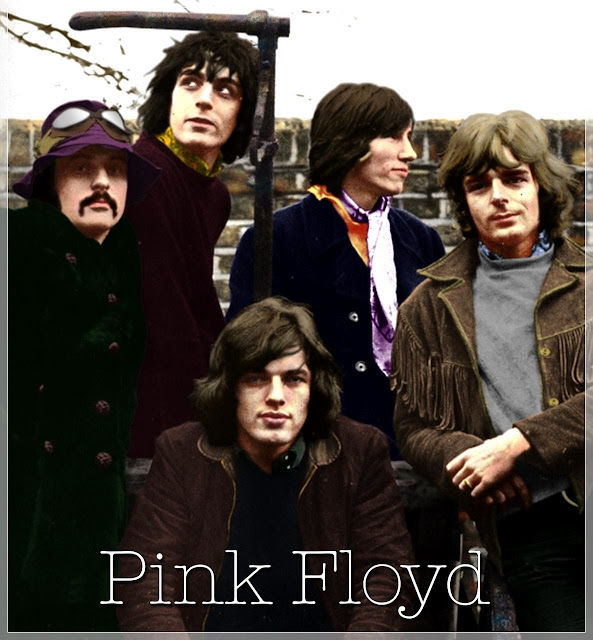
Before they were selling out stadiums, Pink Floyd was a bunch of London art students led by the brilliant, erratic Syd Barrett. This version of the band was all about the “Summer of Love”—think whimsical lyrics about bicycles and gnomes mixed with chaotic, screeching guitar feedback. They were the darlings of the underground, but the fame (and a lot of mind-altering substances) took a toll on Syd. By 1968, his behavior had become too unpredictable, and the band had to make the toughest call in rock history: moving on without their founder.
Finding the “Floyd” Sound (The Early 70s)
With childhood friend David Gilmour stepping in on guitar, the band entered its experimental phase. They stopped trying to write three-minute radio hits and started writing twenty-minute space odysseys. This era was about atmosphere. They used heartbeats, clocks, and cash registers as instruments, proving that rock and roll could be high art.
The Peak of the Mountain: Dark Side & Beyond
In 1973, they released The Dark Side of the Moon. It wasn’t just an album; it was a cultural shift. It stayed on the Billboard charts for 15 years. Let that sink in.
Following that success, the band—now steered largely by the cynical, poetic mind of bassist Roger Waters—released a string of masterpieces. Wish You Were Here was a haunting tribute to their lost leader, Syd, while The Wall became the ultimate anthem for anyone who ever felt like just another brick in the system.
The Great Divide
Rock history is rarely pretty, and by the 80s, the egos were as big as the stage productions. Waters and Gilmour clashed over the band’s direction, leading to a messy “divorce.” Waters went solo, while Gilmour kept the Pink Floyd name flying, continuing to sell out arenas with his signature, soaring guitar solos that felt like they could touch the stars.
Why They Still Matter in 2026
Pink Floyd is the ultimate “headphone band.” They didn’t care about being pretty or trendy; they cared about the human condition. Whether you’re feeling alienated, angry at the machine, or just want to get lost in a ten-minute guitar solo, the Floyd has a frequency for you.
They proved that you could be a rock star without showing your face on every magazine cover—it was always, and will always be, about the music.
Leave a Reply